La Storia: Elevate Your Design with Authentic Script Typography
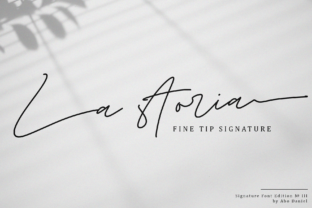
In a digital landscape saturated with sterile, geometric fonts, discovering a typeface with genuine soul can feel like striking gold. La Storia is a stunning and authentic script that will easily add a personal touch to any design endeavor. For graphic designers and visual creators seeking to inject warmth, elegance, and a human element into their work, this font serves as a powerful tool for visual storytelling. It bridges the gap between traditional calligraphy and modern digital requirements, offering a fluid, handwritten aesthetic that resonates deeply with audiences.
The Role of Authenticity in Visual Communication
Modern graphic design is shifting away from the cold precision of minimalism toward a more human-centric approach. Consumers crave connection, and typography is often the first point of contact. La Storia excels in this environment because it mimics the natural imperfections of ink on paper. This authenticity is crucial for building a brand identity that feels trustworthy and approachable. When used correctly, script fonts like this create an immediate emotional response, setting the tone for the user experience before they even read the copy.
However, the effectiveness of a script font relies on its versatility. La Storia is designed to maintain legibility while retaining its artistic flair. Whether you are working on web design, UI design, or print design, the fluidity of the strokes ensures that the text remains visually engaging without sacrificing readability—a common pitfall with lesser-quality script fonts.
Practical Applications for Creative Projects
Understanding where to deploy La Storia is key to maximizing its impact. Because of its distinct character, it works best as a display or accent font rather than for body text. Here are several high-impact areas where this typeface shines:
- Branding and Logo Design: Create logos that feel bespoke and high-end. La Storia is perfect for boutique businesses, lifestyle brands, and artisanal products where the "handmade" quality is a selling point.
- Social Media Graphics: In the fast-scrolling world of Instagram and Pinterest, distinct typography stops the thumb. Use it for quotes, headers, and announcements to create a cohesive visual feed.
- Packaging Design: Physical products benefit immensely from La Storia. It adds a tactile feel to labels and boxes, suggesting craftsmanship and attention to detail.
- Editorial Design: Use it for pull quotes or article headers in magazines and blogs to break the monotony of standard serif or sans-serif blocks.
- Digital Marketing: From email headers to landing pages, this font helps highlight calls-to-action (CTAs) and key value propositions.
Integrating Typography into Your Design Workflow
Simply installing a font isn't enough; integration requires strategy. To effectively use La Storia, consider the visual hierarchy of your layout. Pair it with a clean, geometric sans-serif font for body text to ensure the design remains balanced. This contrast allows the script font to command attention for headlines without overwhelming the viewer.
Tips for Selection and Scalability
When evaluating La Storia for a project, test it across different sizes. A great script font should remain legible on a mobile screen as well as on a billboard. Additionally, consider your color palette. Dark, high-contrast colors often work best for script typography to ensure the thin strokes of the letters are visible.
Consistency is also vital. If you use La Storia on your website header, consider using it on your business cards or merchandise to reinforce your brand identity. This creates a seamless experience across all touchpoints, which is a hallmark of professional graphic design.
Conclusion
In the realm of creative assets, quality typography is an investment that pays dividends in user engagement and brand perception. La Storia offers more than just letters; it offers a narrative. By choosing fonts that possess character and historical weight, designers can transform standard layouts into memorable visual experiences. Ultimately, the goal of visual design is to communicate effectively, and with the right tools, you can ensure your message is not only read but felt.