The Timeless Charm of Better Yesterday in Modern Design
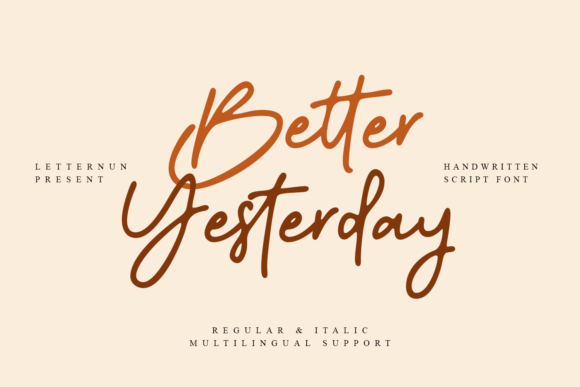
In the world of visual communication, where first impressions are paramount, the right typography can transform a simple message into a memorable experience. Better Yesterday emerges as a dainty and unique script font, offering a blend of romantic elegance and contemporary flair that designers are increasingly seeking. This font isn't just a collection of letters; it's a tool for storytelling, capable of infusing projects with warmth, personality, and a touch of handcrafted sophistication.
Understanding the role of a typeface like Better Yesterday is crucial for effective graphic design. It excels in contexts where emotion and authenticity need to shine through. Its flowing, connected letterforms and delicate swashes create a visual rhythm that feels both personal and polished. This makes it an exceptional choice for projects aiming to establish an emotional connection with the audience, moving beyond sterile, impersonal text to evoke feelings of joy, romance, or nostalgia.
Practical Applications for Visual Impact
The true value of any creative asset lies in its application. Better Yesterday offers remarkable versatility across numerous design domains, enhancing both aesthetics and communication.
Strengthening Brand Identity & Logo Design
For brands in the lifestyle, wedding, boutique, or artisanal food sectors, this script font can become a cornerstone of the brand identity. Used in a logo or as a secondary typeface, it immediately conveys a sense of care, elegance, and bespoke quality. It helps create a cohesive visual language that feels authentic and trustworthy.
Elevating Marketing and Social Media Content
From wedding invitations to social media graphics, Better Yesterday adds a layer of professional finesse. In digital marketing, it can be used for impactful headlines in email campaigns or as a featured font in Instagram stories to capture attention. Its romantic style is perfect for announcements, quotes, and promotional materials related to events, sales, or heartfelt messages.
- Editorial & Web Design: Use it sparingly for pull quotes, article titles, or hero section headlines to create a strong visual hierarchy and add personality to layouts.
- Packaging & Merchandise: It lends itself beautifully to product labels for cosmetics, gourmet goods, or stationery, enhancing shelf appeal and perceived value.
- Presentations & Digital Products: Incorporate it into slide decks or e-book covers to break away from default fonts and deliver a more engaging, professional presentation.
Tips for Effective Typography Integration
Successfully integrating a distinctive script like Better Yesterday into a design system requires thoughtful consideration. Its decorative nature means it should be used strategically to maintain readability and visual balance.
First, always consider your audience and the project's goals. A font that works beautifully for a wedding invitation may not be suitable for a technical report. Second, pay close attention to pairing. Better Yesterday often pairs well with clean, simple sans-serif or serif fonts for body text, ensuring the design remains legible and the hierarchy clear. This contrast allows the script to shine as an accent without overwhelming the viewer.
Finally, test for scalability and compatibility. Check how the font renders at different sizes and on various backgrounds. Ensure it complements your chosen color palette and other design elements. The most effective visual designs are those where every component, from typography to imagery, works in harmony to support a unified message.
Choosing the right typographic elements is a fundamental decision in any creative project. Resources like Better Yesterday provide designers with the tools to craft visuals that are not only beautiful but also deeply communicative. By thoughtfully applying such assets, you can elevate your work, strengthen brand narratives, and ultimately create more resonant and successful designs that captivate your audience.