Timeline: A Modern Script for Creative Branding
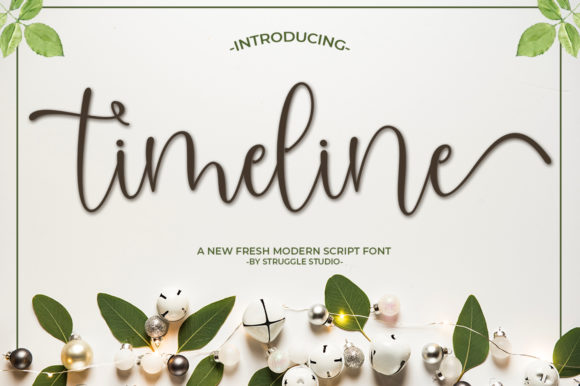
Every designer knows the moment a project demands a typeface that speaks with personality and clarity. When you need a sweet, casual script with a unique style, Timeline emerges as a compelling choice. This modern script font, inspired by contemporary aesthetics, offers a fresh take on handwritten typography, blending approachability with a distinct visual flair that can elevate a wide range of creative projects.
Timeline's strength lies in its ability to inject warmth and authenticity into digital and print design. Unlike overly formal scripts, its casual yet refined character makes it incredibly versatile. The letterforms feature smooth, connected strokes and subtle variations that mimic natural handwriting, ensuring text feels personal and engaging. This quality is fundamental for effective visual communication, helping to build a stronger brand identity that resonates emotionally with an audience. In an era where consumers crave genuine connection, such typographic choices are invaluable for marketing materials and social media graphics.
Practical Applications Across Design Disciplines
The utility of a well-crafted script like Timeline extends across numerous fields. Its modern vibe makes it particularly suited for projects aiming to communicate creativity, warmth, or a handcrafted feel. Consider its potential in the following areas:
- Branding and Logo Design: Use Timeline for logotypes, brand marks, or taglines to establish a friendly and approachable brand personality. It works beautifully for lifestyle brands, boutique shops, cafes, and creative studios.
- Marketing and Social Media: Create eye-catching headlines for digital ads, email campaigns, and social media posts. Its readability at various sizes ensures your message is clear while maintaining visual interest.
- Editorial and Web Design: Incorporate it for pull quotes, article titles, or call-to-action buttons in web design and editorial layouts. It adds a layer of sophistication and guides the user's eye effectively.
- Packaging and Merchandise: Enhance product packaging, labels, and merchandise with handwritten charm. This application strengthens the perceived quality and care behind a product, influencing purchasing decisions.
Integrating Timeline into Your Design Workflow
Successfully implementing a script font like Timeline requires thoughtful integration. First, always consider your overall design goals and audience expectations. A script should complement, not compete with, your primary body typeface. Establish a clear visual hierarchy by using Timeline for display or accent text, pairing it with a clean sans-serif or serif font for readability in longer paragraphs.
Evaluate the font's technical attributes. Check its readability at different scales, especially for UI design and mobile screens. Ensure the character set includes necessary punctuation and stylistic alternates to avoid repetition. When building a color palette, let the font's style guide your choices; Timeline pairs well with soft pastels, earthy tones, or bold monochromes depending on the desired mood. Consistency is key—apply the font uniformly across all touchpoints to reinforce brand recognition.
Finally, leverage its character to tell a story. Whether used in a presentation to add a personal touch or on a digital product to enhance the user experience, Timeline can transform standard content into a memorable visual narrative. By selecting creative assets that align with your aesthetic vision and communication needs, you invest in designs that are not only beautiful but also functionally effective, ensuring your message is both seen and felt.